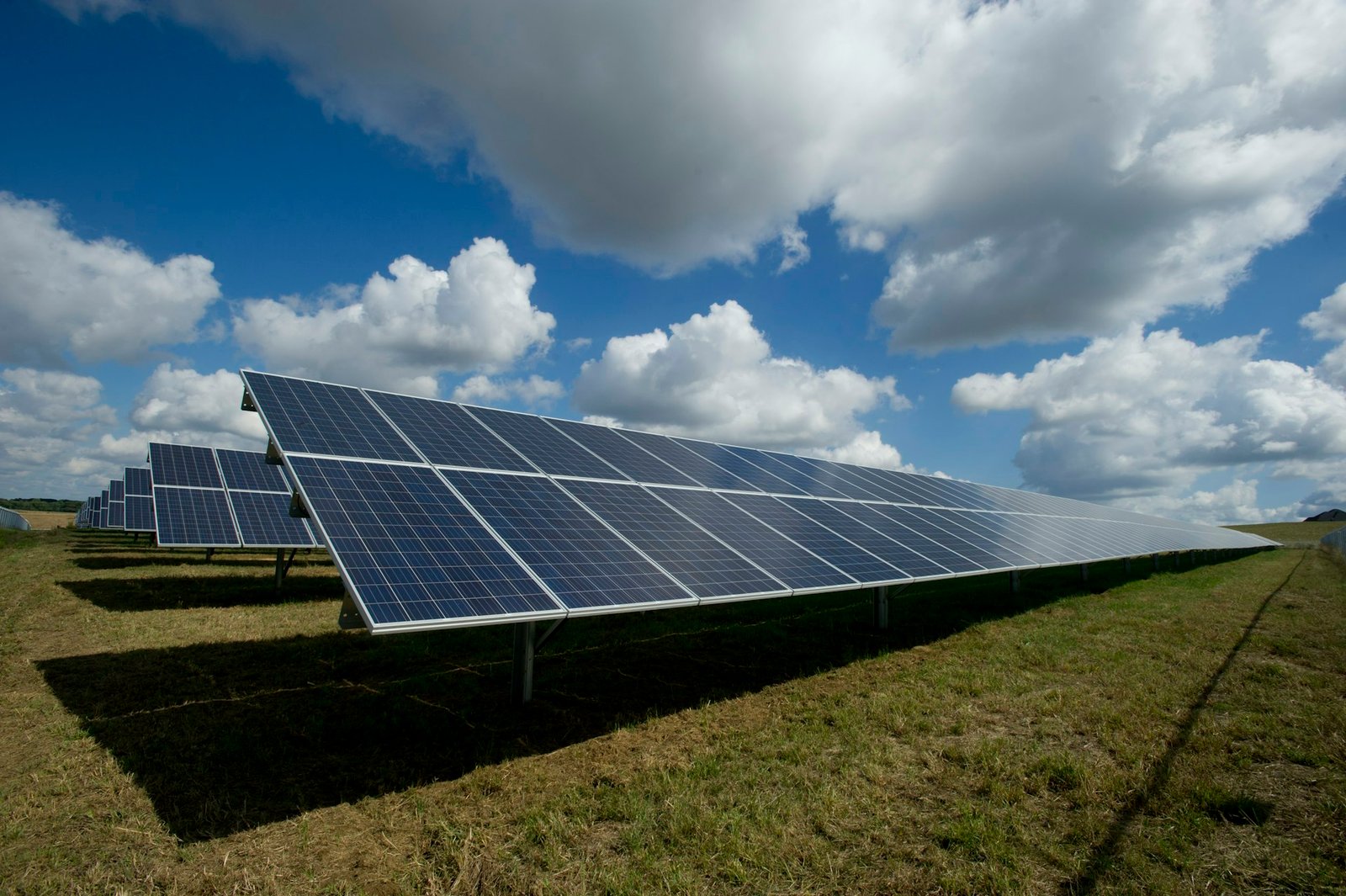
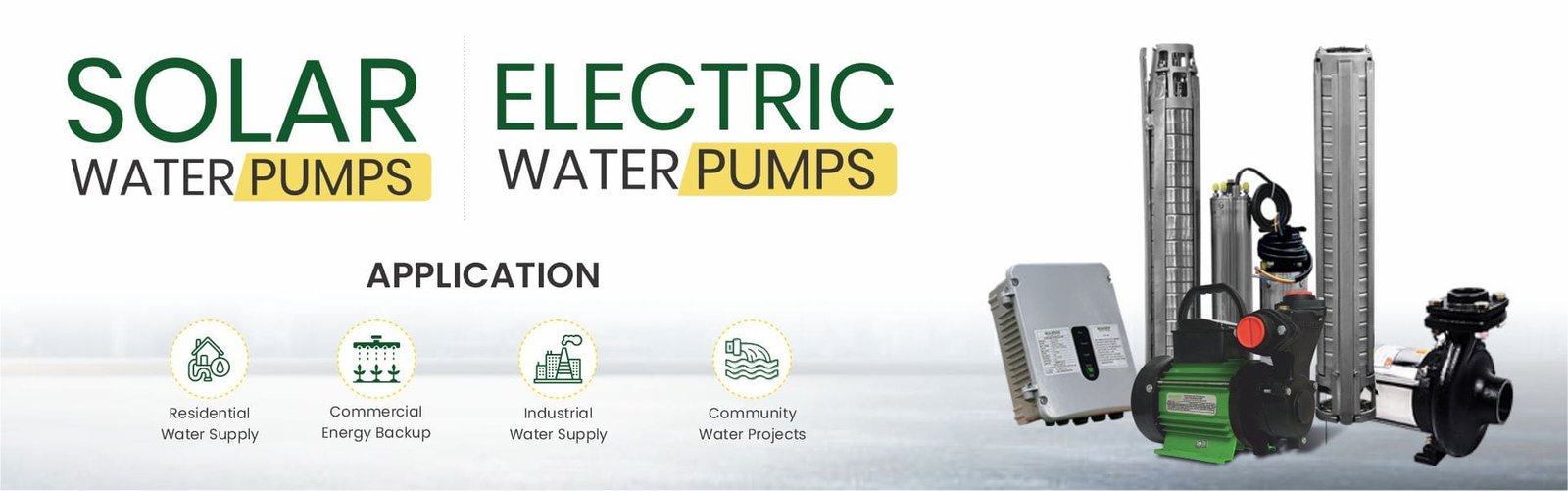
A solar water pump is a system that uses solar energy to power water pumps, eliminating the need for electricity or diesel. It consists of solar panels, a pump controller, and a water pump. Solar panels convert sunlight into electricity, which powers the pump to draw water from wells, boreholes, or rivers.
Perfect for agricultural irrigation, livestock watering, and community water supply in remote areas where grid electricity is unavailable or unreliable. Our solar water pump solutions are designed for high efficiency, durability, and minimal maintenance.
Solar pumps are widely used to irrigate agricultural fields in off-grid locations.
Ideal for supplying clean drinking water to villages, schools, and remote settlements.
Provides water for livestock in areas where electrical supply is insufficient.
Used for fish farming and water aeration in remote areas.
Pumps water for household usage in areas where grid electricity is absent or unreliable.
Solar pumps reduce reliance on fossil fuels and minimize carbon emissions.
Once installed, they significantly reduce operational costs as they rely on free solar energy.
Solar pumps have fewer moving parts, leading to reduced wear and tear.
Ideal for regions with unreliable or no access to the electricity grid.
High-quality systems can last 20 years or more with proper maintenance.
Various government programs offer financial incentives to make solar water pumps more affordable for farmers.
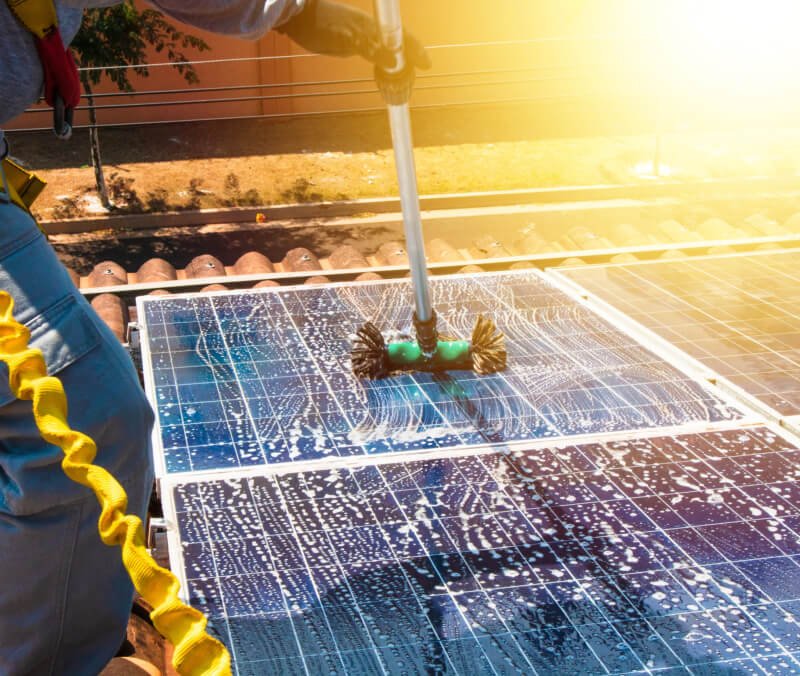
Solar water pumps require minimal maintenance compared to traditional pumps. Regular cleaning of solar panels to remove dust and debris is essential for maintaining efficiency. Other maintenance tasks include:
Checking for wear and tear.
| Feature | Solar Water Pump | Traditional Water Pump |
|---|---|---|
| Energy Source | Solar energy (renewable) | Electricity or Diesel (non-renewable) |
| Operational Cost | Low (No fuel or electricity costs) | High (Fuel or electricity costs) |
| Maintenance | Low (Fewer moving parts, minimal wear and tear) | Moderate to High (Frequent maintenance required for mechanical parts) |
| Environmental Impact | Eco-friendly (No emissions) | Negative (CO2 emissions, pollution) |
| Installation Location | Ideal for remote areas with no grid access | Requires grid connection or fuel supply |
| Lifespan | 20+ years with proper maintenance | Typically shorter lifespan due to wear and tear |
| Initial Cost | Moderate to High (Higher upfront, but long-term savings) | Lower upfront, but high operational costs |
| Subsidies & Incentives | Available in many regions | Rarely available |
A solar water pump is a system that uses solar energy to power a water pump, ideal for areas without reliable grid electricity, used for irrigation, drinking water, and more.
With proper maintenance, solar water pumps can last 20 years or more. Solar panels typically have a lifespan of 25-30 years, while the pump itself can last 10-15 years.
Solar water pumps work best on sunny days. Some systems with batteries can store energy to pump water at night or on cloudy days, while others only operate during daylight.
The depth depends on the pump type: submersible solar pumps can lift water from up to 300 meters or more, while surface pumps are better for shallow depths up to about 20 meters.
The cost depends on pump power, depth, and panels, but typically ranges from ₹50,000 to ₹5 lakhs or more for larger agricultural systems.
Regular maintenance includes cleaning panels, checking connections, inspecting the pump, and servicing the system annually.
Yes! Solar water pumps are widely used for agricultural irrigation, providing reliable water access for crops without electricity costs.
A solar water pump works by converting sunlight into electricity to power the pump. Here's how the process works:
Solar panels convert sunlight into DC electricity, which is then sent to the pump controller.
MPPT controller optimizes the power from the solar panels to maximize water output.
The pump draws water from the source (well, borehole, river, etc.) using the solar electricity.
Water is delivered to the irrigation system, storage tank, or directly to the point of use.